
How Texas Jail Mugshots Work
A mugshot is a booking photo taken during jail intake. In Texas, that photo is usually tied to a county booking record, not to a statewide mugshot database. The booking agency may be a county sheriff, city jail, regional jail, or other local detention facility. Large counties may display photos in an inmate search. Smaller counties may publish a daily booking list, provide a roster without photos, or release a photo only after a public-records request. The statewide pattern is local control with state public-records rules in the background.
A booking photo is not proof of guilt. It shows that a person was processed by a jail or detention facility. The court record later shows whether charges were filed, dismissed, reduced, or resolved by conviction. For that reason, Texas jail rosters and mugshots should be read with the linked charge status, bond status, and court docket. A photo may remain online only while the person is in custody, or it may remain in a county booking archive if the county publishes past bookings.
The statewide jail-population source used in the research is the Texas Commission on Jail Standards population-report hub.
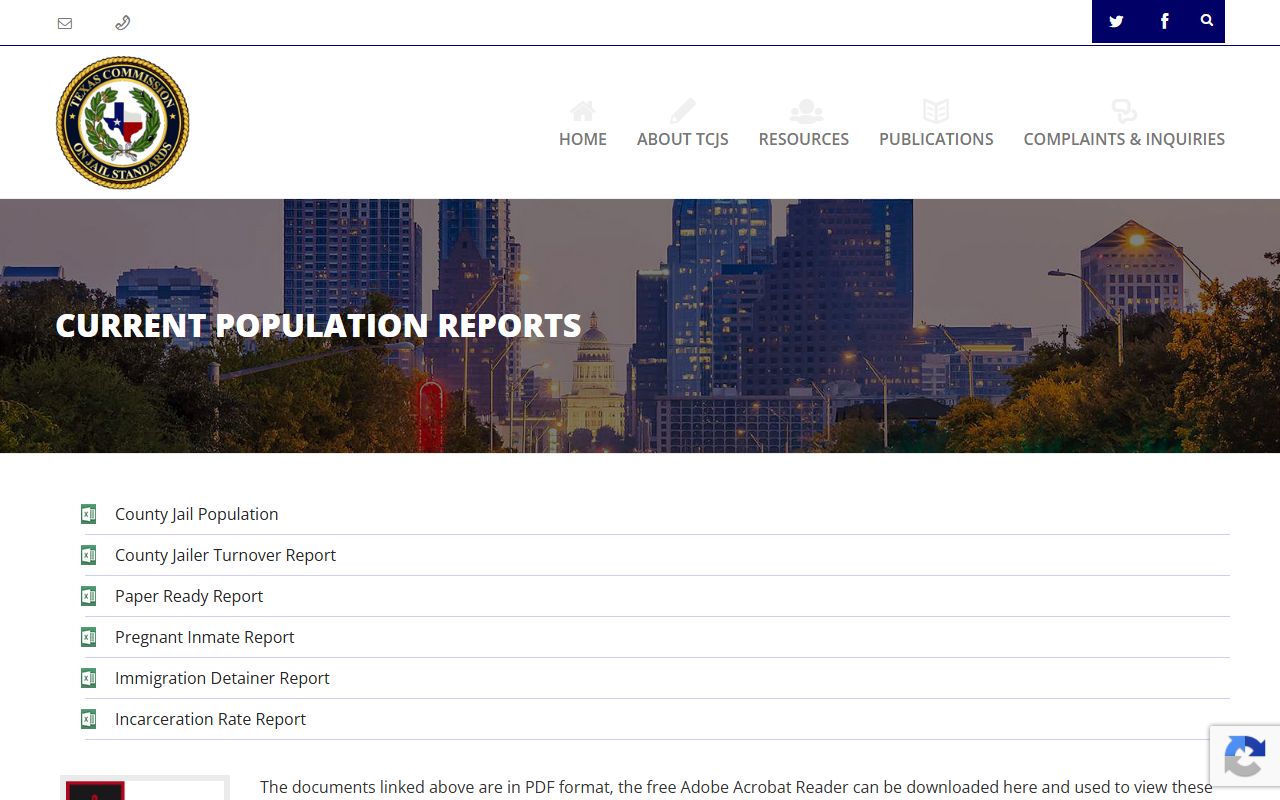
TCJS reporting helps frame the county jail system, but actual booking photos still come from county or local jail records.
Find Texas Booking Photos
The best search route starts with the county of arrest or custody. If the booking county is known, open that county's jail roster and search by name. If the county is not known, use court, warrant, arrest location, or family information to narrow the search. If a person has already transferred to TDCJ, the state locator may show a current photo in the TDCJ profile, but that is not the county booking photo from the arrest. Federal and immigration detention searches have different photo rules and usually do not work like a local jail roster.
- Identify the county or facility that booked the person.
- Open the county's jail roster through the County Directory.
- Search by last name, first name, booking number, or date when the roster supports those fields.
- Open the inmate profile and look for a booking photo, mugshot, or image field.
- If no photo appears online, request the booking record from the sheriff or jail records unit under Texas public-records procedures.
The state prison photo route is different. TDCJ's inmate information source is the TDCJ inmate information hub.
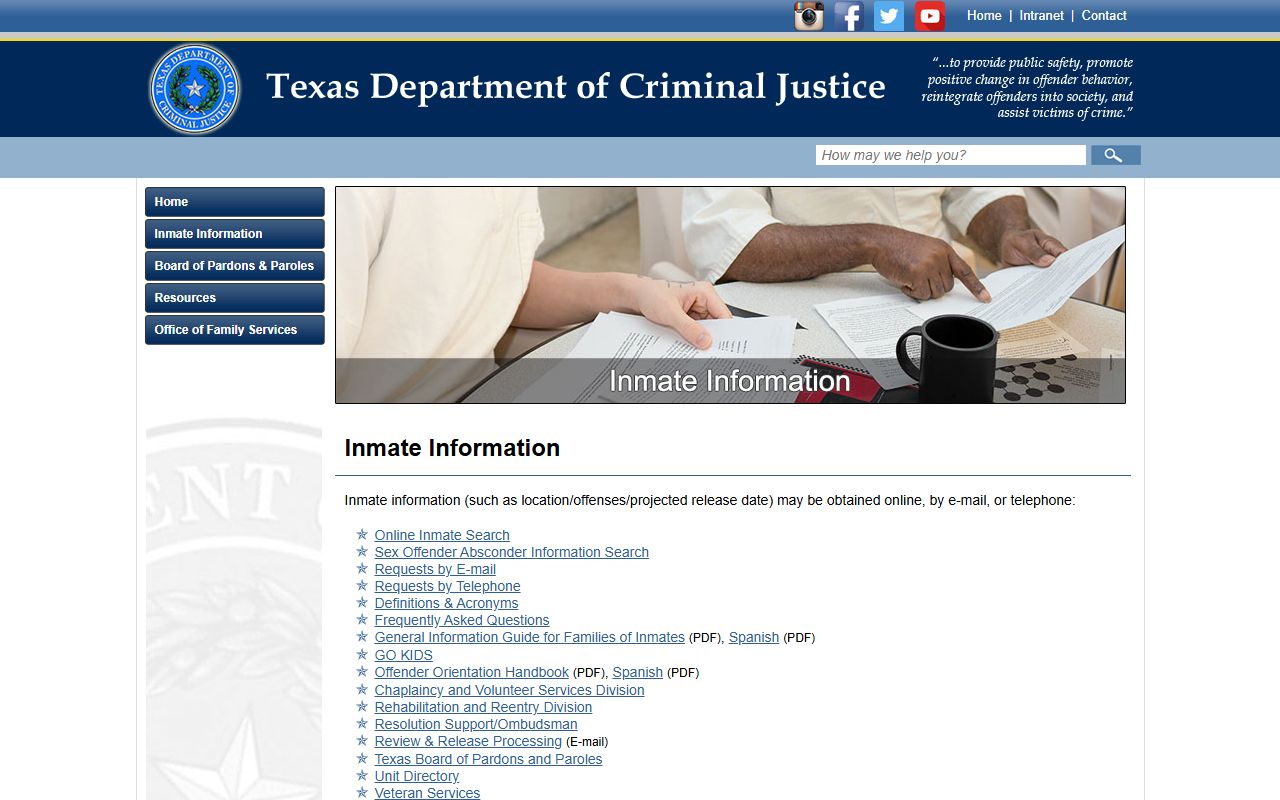
TDCJ can help after transfer to state custody, while county jail rosters remain the main source for fresh arrest booking photos.
Texas Booking Photo Fields
A county roster profile places the photo beside fields that identify the booking. The labels differ by county, but the public record often combines identity, custody, charge, and release data. Do not rely on the image alone. Compare the name, age or date of birth, booking date, facility, and charge text before assuming a record belongs to the person being searched. In common-name cases, the booking number and county are the safer match points.
| Field | What It Shows |
|---|---|
| Booking Photo | The intake image taken by the jail or detention facility, if the county publishes it. |
| Name | The name entered into the jail management system, sometimes with aliases. |
| Demographics | Age, date of birth, sex, race, height, or weight when published by the county. |
| Booking Date | When the person was processed into the jail. |
| Charges | The arrest or booking charge, which may later differ from the court-filed charge. |
| Bond or Hold | Release amount, no-bond status, or agency hold when the roster includes it. |
Are Texas Mugshots Public?
The research identifies Texas Government Code Chapter 552, the Texas Public Information Act, as the statewide open-records framework. Booking records held by a sheriff or jail may be public, but release can still be limited by exceptions for law-enforcement interests, privacy-protected information, juvenile records, sealed records, or data that the agency must redact. Texas does not make one statewide rule that forces every county to publish mugshots online in the same way. Online access is a county-by-county practice layered over state public-records law.
Key Statutes:
Texas Government Code Chapter 552 sets the broad Public Information Act framework for records held by Texas governmental bodies.
Texas Government Code Chapter 511 creates the Texas Commission on Jail Standards framework for county jail oversight and reporting.
The Public Information Act source is available at Texas Government Code Chapter 552.
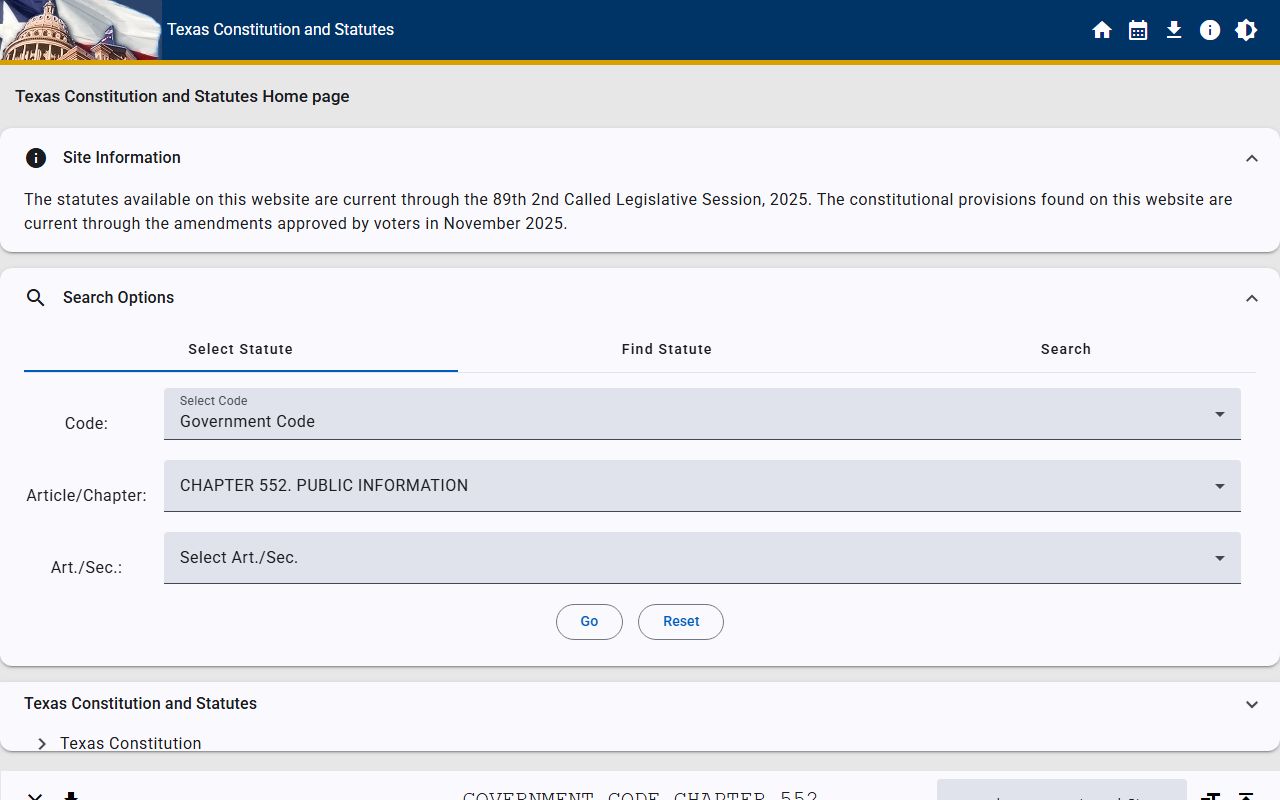
Use Chapter 552 as the request framework, then ask the county that took or maintains the booking photo.
How Long Mugshots Stay
How long a Texas mugshot stays online depends on the county system. Some jail rosters show only people who are currently in custody, so the photo drops from public view after release or transfer. Some systems keep recent bookings for a short period. Others maintain searchable historic booking records. A person may disappear from a county roster because they were released, moved to another county, transferred to TDCJ, taken into federal custody, or booked under a different name spelling.
What is and isn't public: A county may publish the booking photo and basic roster fields, but sealed records, juvenile material, medical data, security details, and protected identifiers may be withheld or redacted.
Request a Texas Booking Photo
If a photo is not posted on a jail roster, send the request to the county sheriff, jail records unit, or public-information officer that holds the booking record. Give the person's full name, booking date, date of birth if known, booking number if available, and the facility or county. Ask for the booking photo and related booking sheet if needed. Do not send the same request to TDCJ unless the person is in state custody and the record sought is a TDCJ record.
TDCJ's separate public-information process is shown on the TDCJ Public Information Act request form.
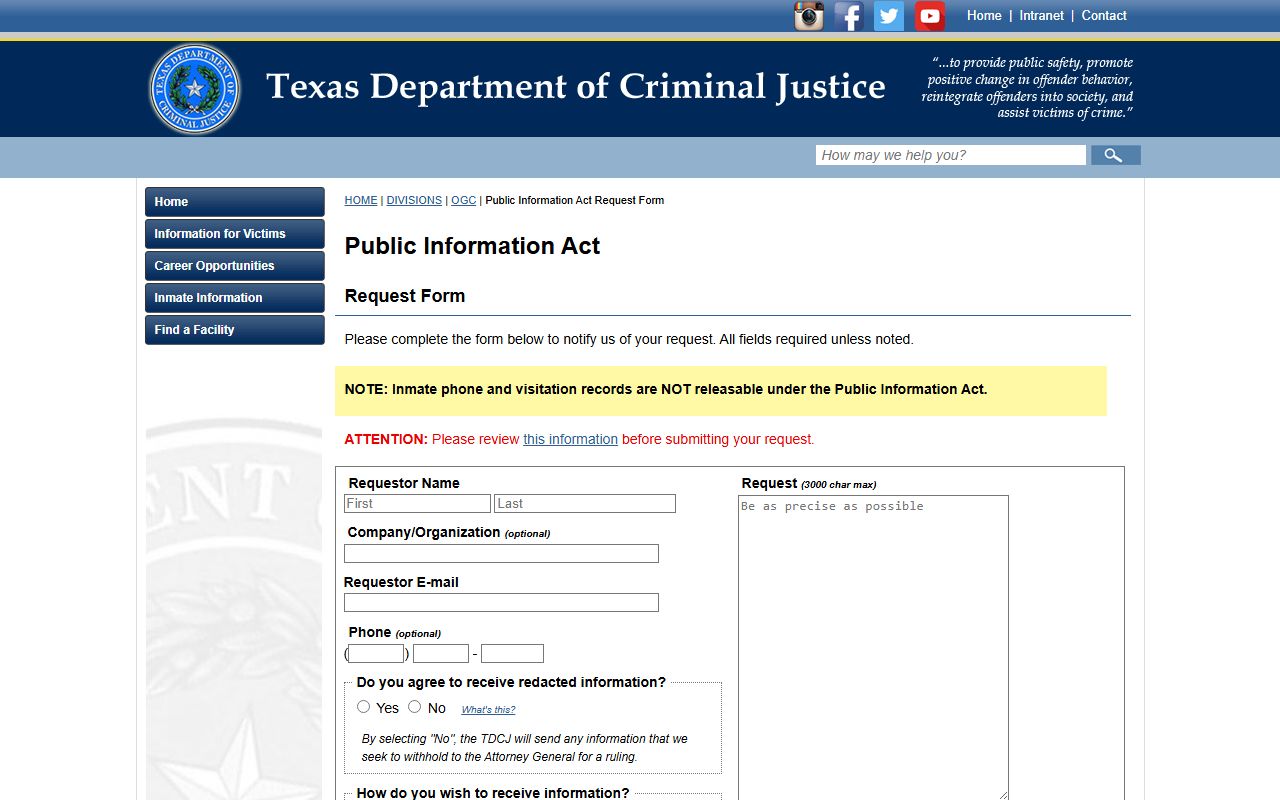
That form is useful for TDCJ records, but a county booking photo request still belongs with the county that created the booking record.
Mugshot Removal and Sealing
Texas mugshot removal is usually a records-clearing issue, not a request to a search site. If a case is eligible for expunction or nondisclosure, the court order controls what government agencies and many public systems can show. A dismissal alone does not always remove a booking photo from every county database. After a court grants the proper order, the person or counsel may need to provide certified copies to agencies that still show the record. For the court path, use the arrest-to-case process described in Texas court records after jail arrest.
Commercial mugshot-publishing or paid removal sites are not endorsed here. The reliable path is the official record source, the clerk's case file, and any sealing, nondisclosure, or expunction order issued by a Texas court.
TDCJ, BOP, and ICE Photos
State, federal, and immigration custody do not follow the same mugshot pattern as county jail rosters. TDCJ's public information material says inmate information such as location, offenses, and projected release date may be obtained online, by email, or by telephone, while the email route does not provide photos to the public. BOP has its own locator for federal prisoners and is not a county booking-photo gallery. ICE ODLS is for detainee location and uses A-number or identity details; the manifest capture for ICE failed due to access restrictions, so no ICE screenshot is used here.
| System | Photo or Mugshot Expectation | Lookup Route |
|---|---|---|
| County jail | May show booking photo if the county publishes it. | County jail roster or records request. |
| TDCJ | State-prison profile rules differ from county booking photos. | TDCJ inmate search. |
| BOP | Federal locator is not a public mugshot gallery. | BOP inmate locator. |
| ICE | ODLS is for detainee location, not county booking photos. | ICE ODLS. |